Historic Home Renovations in Frederick: What You Need to Know Before You Start

Owning a historic home in Frederick, Maryland is both a privilege and a responsibility. These homes showcase craftsmanship, architectural details, and building techniques that are difficult to replicate today. However, they also come with unique challenges that require careful planning before any renovation begins. From outdated electrical systems to uneven floors and aging structural components, historic homes demand an experienced approach that respects the property's character while making it comfortable and functional for modern living.
Whether you're restoring a Victorian home in Downtown Frederick, updating a Colonial farmhouse outside the city, or renovating a century-old residence elsewhere in Frederick County, understanding the renovation process can save time, money, and frustration. With thoughtful planning and skilled workmanship, it's possible to preserve the history of your home while improving its safety, efficiency, and value.
Why Historic Homes Require a Different Approach
Unlike newer homes, historic properties were built using materials and methods that differ significantly from today's construction standards. What appears to be a simple remodeling project can quickly uncover hidden issues that require specialized solutions.
Older homes commonly feature:
- Original wood framing
- Plaster and lath walls
- Handcrafted trim and moldings
- Hardwood flooring that may be over 100 years old
- Brick or stone foundations
- Older plumbing systems
- Electrical wiring that no longer meets modern safety standards
Rather than replacing these features whenever possible, many homeowners choose to preserve and restore them, maintaining the home's historic charm while improving its functionality.
A successful historic renovation balances preservation with practicality.
Common Challenges Found During Historic Renovations
One of the biggest differences between renovating an older home and remodeling a newer one is the number of surprises that may be hidden behind walls, beneath floors, or inside ceilings.
Outdated Electrical Systems
Many historic homes still contain older wiring that was never designed to support today's electrical demands.
Common issues include:
- Insufficient outlets
- Ungrounded wiring
- Fuse boxes instead of breaker panels
- Overloaded circuits
- Aging electrical components
Updating the electrical system improves safety while allowing homeowners to enjoy modern conveniences like larger appliances, home offices, and smart home technology.
Aging Plumbing
Many homes built decades ago still contain galvanized steel, cast iron, or outdated copper plumbing.
Signs your plumbing may need updating include:
- Low water pressure
- Rust-colored water
- Frequent leaks
- Slow drains
- Corrosion
Replacing aging plumbing during a renovation often prevents future repairs and minimizes the need to open finished walls later.
Structural Repairs
Over time, homes naturally settle.
Older homes may develop:
- Uneven floors
- Sagging beams
- Foundation movement
- Roof framing concerns
- Water damage
Not every crack or slope indicates a major problem, but structural issues should always be evaluated before cosmetic work begins.
Repairing structural concerns first creates a stronger foundation for the remainder of the renovation.
Preserving Original Character
One of the greatest advantages of owning a historic home is its unique architectural character.
Many homeowners choose to preserve original features such as:
- Hardwood flooring
- Decorative moldings
- Built-in cabinetry
- Stair railings
- Original doors
- Wood windows
- Brick fireplaces
These details add warmth and craftsmanship that cannot easily be recreated in modern construction.
Whenever practical, restoration often produces better long-term results than replacement.
Modern Upgrades That Blend with Historic Design
Historic doesn't have to mean outdated.
Today's homeowners often incorporate modern improvements that increase comfort while maintaining the home's traditional appearance.
Popular upgrades include:
Energy-Efficient Windows
If original windows cannot be restored, replacement windows designed to match the home's architectural style can improve comfort without compromising appearance.
Improved Insulation
Many older homes have little or no wall insulation.
Adding insulation where practical helps:
- Reduce heating costs
- Improve indoor comfort
- Lower energy consumption
- Reduce outside noise
Proper insulation also helps protect the home from moisture-related issues.
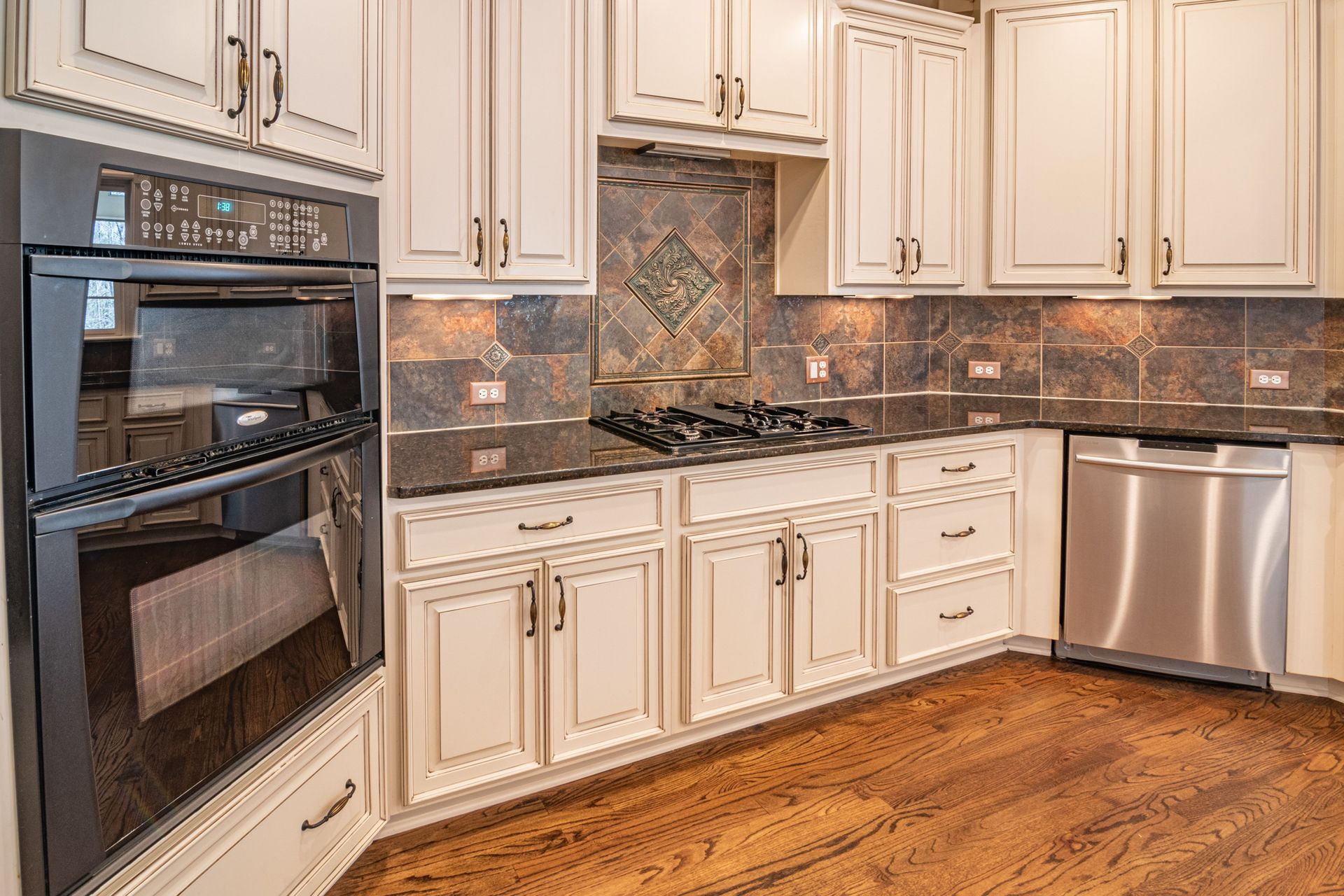
Updated Kitchens
Many historic kitchens were designed for a completely different era.
Modern kitchen renovations often include:
- Better storage
- Larger workspaces
- Improved lighting
- Modern appliances
- Functional layouts
- Custom cabinetry
The goal is creating a kitchen that complements the home's style rather than competing with it.
Bathroom Improvements
Historic bathrooms are often small by today's standards.
Renovations frequently include:
- Walk-in showers
- New vanities
- Updated plumbing fixtures
- Better lighting
- Improved ventilation
- Water-efficient fixtures
These updates improve daily living while respecting the home's original architecture.
Choosing Materials That Fit the Home
One of the most important decisions during a historic renovation is selecting materials that complement the home's original design.
Examples include:
Flooring
Instead of replacing original hardwood floors, refinishing them often restores their beauty while preserving the home's authenticity.
Where replacement is necessary, matching wood species and board widths creates a seamless appearance.
Trim and Molding
Historic homes often feature handcrafted trim that would be expensive to reproduce today.
Repairing damaged sections instead of replacing everything helps maintain the home's unique character.
Paint Colors
Many homeowners choose historically inspired paint palettes that complement the home's architecture while still reflecting their personal style.
Neutral colors continue to be popular because they highlight original woodwork and architectural details.
The Importance of Custom Carpentry
Few historic homes have perfectly square rooms.
Doors, windows, walls, and ceilings often require custom solutions that cannot be achieved using standard building materials alone.
Custom carpentry plays an important role in:
- Matching existing trim
- Building custom shelving
- Repairing historic woodwork
- Creating built-in storage
- Reproducing architectural details
- Installing custom cabinetry
Attention to detail helps preserve the craftsmanship that makes historic homes so distinctive.
Renovating Historic Kitchens Without Losing Character
Many homeowners worry that remodeling a kitchen will erase the historic charm of their home.
Fortunately, modern functionality and traditional design can work together beautifully.
Ideas include:
- Shaker-style cabinetry
- Natural stone countertops
- Subway tile backsplashes
- Farmhouse sinks
- Brass or matte black fixtures
- Wood shelving
- Under-cabinet lighting
These elements provide modern convenience while complementing older architectural styles.
Planning Your Renovation Budget
Historic renovations often require greater flexibility than newer construction projects.
Unexpected discoveries may include:
- Hidden water damage
- Structural repairs
- Electrical upgrades
- Plumbing replacement
- Termite damage
- Insulation improvements
Setting aside a contingency budget helps homeowners handle unforeseen repairs without delaying the project.
Working with an experienced contractor who understands older homes can also reduce surprises through careful inspection and planning before work begins.
Why Experience Matters
Historic renovations require more than general construction knowledge.
Every project involves decisions about preserving original materials, matching existing craftsmanship, and adapting modern building practices to older construction.
An experienced contractor understands how to:
- Minimize damage to original materials
- Repair rather than replace whenever practical
- Coordinate multiple trades
- Identify hidden problems early
- Maintain the home's architectural integrity
- Deliver modern functionality without sacrificing character
These skills help ensure the finished project looks like it belongs in the home rather than feeling like a modern addition.
Why Historic Renovations Add Long-Term Value
Well-executed renovations can significantly increase both the enjoyment and market value of a historic home.
Buyers often appreciate homes that have:
- Updated kitchens
- Modern bathrooms
- Safe electrical systems
- Reliable plumbing
- Restored architectural details
- Energy-efficient improvements
Rather than removing a home's history, thoughtful renovations highlight its best features while making it more comfortable for today's families.
Frequently Asked Questions
Can I modernize my historic home without losing its character?
Absolutely. Many renovations successfully combine modern conveniences with original architectural features by preserving key design elements and selecting materials that complement the home's style.
Are historic home renovations more expensive?
They often require additional labor and planning because older homes can reveal hidden issues such as outdated wiring, aging plumbing, or structural repairs. However, careful planning helps control costs and protect your investment.
Do I need permits for a historic renovation in Frederick?
Depending on the scope of work, permits may be required for structural, plumbing, electrical, or mechanical improvements. Some historic properties may also be subject to additional review requirements.
For local regulations, visit:
[Frederick County Government – https://frederickcountymd.gov]
Should original hardwood floors be replaced?
In many cases, original hardwood floors can be sanded, repaired, and refinished, preserving one of the home's most valuable historic features.
How long does a historic renovation usually take?
Project timelines vary depending on the home's condition, the scope of work, and any unexpected repairs uncovered during construction. Larger renovations typically require additional planning and coordination.
Preserve the Past While Building for the Future
Historic homes deserve thoughtful renovations that honor their craftsmanship while making them more comfortable for modern living. Whether you're restoring original woodwork, remodeling a kitchen, updating bathrooms, repairing structural issues, or completing a full home renovation, working with an experienced contractor helps protect your investment and preserve your home's unique character.
Frederick-Loudoun Home Services proudly provides historic home renovations, remodeling, custom carpentry, home repairs, and general contracting throughout Frederick, Middletown, Urbana, Walkersville, Brunswick, Jefferson, New Market, Mount Airy, Thurmont, and surrounding communities within a 35-mile radius.
To discuss your historic renovation project, contact
Frederick-Loudoun Home Services at
(301) 305-2174 or
FLHServices4u@gmail.com. Whether your home needs careful restoration, modern upgrades, or a complete renovation, you'll receive experienced craftsmanship with respect for the history that makes your home one of a kind.
Recent Posts